Law Firm SEO in 2026: Proven Strategies That Actually Bring Clients (Not Just Traffic)
Your complete, practitioner-level guide to dominating Google search, ranking in the Local 3-Pack, and converting organic visitors into paying clients.
Law firm SEO is the process of optimizing your website and online presence so potential clients find your firm on Google when they need legal help. In 2026, it is the single most cost-effective client acquisition channel available to attorneys — more sustainable than paid ads and far more targeted than social media. Done right, SEO does not just bring traffic; it brings people who are already looking for a lawyer and ready to hire.
- Local SEO is the highest-ROI move for most law firms — showing up in the Google Maps 3-pack alone can triple your call volume.
- Google Business Profile optimization is step one. If yours is incomplete, you are losing clients to competitors right now.
- High-intent keywords (“car accident lawyer near me”) convert far better than broad terms (“personal injury law”).
- Content marketing compounds over time — a well-written blog post can rank for years and bring in leads while you sleep.
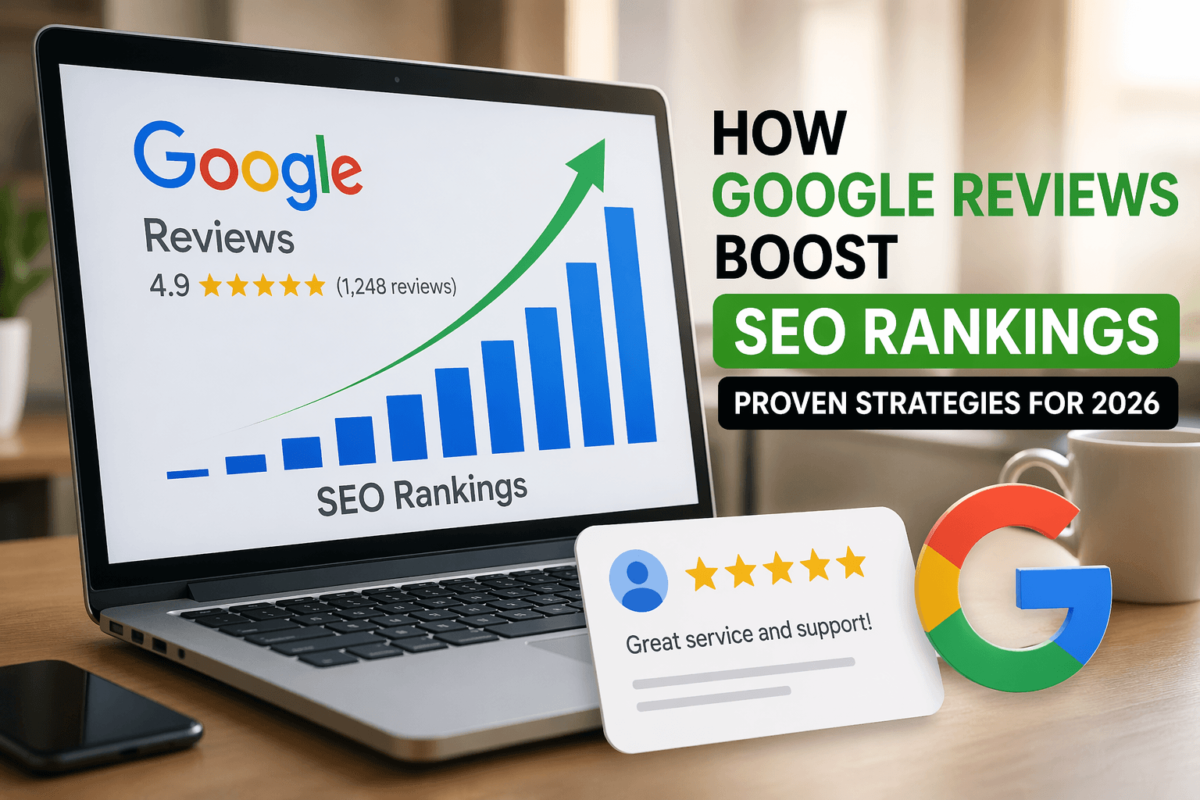
- Reviews are a ranking signal AND a trust signal. Attorneys with 50+ reviews consistently outperform those with 10.
- Technical SEO matters more than most lawyers realize. A slow, mobile-unfriendly website quietly kills your rankings.
- Google Ads costs for legal keywords can hit $50–$200 per click. SEO traffic costs you nothing per visitor once you rank.
- Tracking is everything. If you do not know which pages are generating calls, you are flying blind.
What Is Law Firm SEO (Explained Simply)
Imagine you are in a car accident. Your first instinct is not to flip through the Yellow Pages — you grab your phone and Google “car accident lawyer near me.” The attorney whose name appears at the top of those results? They did not get there by accident.
Law firm SEO is everything that goes into making sure your firm is that name. It covers how your website is built, what it says, how other sites talk about you, and how visible your business profile is on Google Maps. Think of it like being the first business card someone grabs off the wall at the ER — except the wall is Google, and millions of potential clients walk past it every single day.
Here is the truth: most people never scroll past the first page of search results. Research consistently shows that the top three organic results capture the majority of all clicks. If you are not ranking there, you are essentially invisible to a massive chunk of your potential client base.
SEO is not magic. It is a system — and it is one you can absolutely get a handle on, whether you are a solo practitioner in a mid-sized city or a multi-attorney firm competing in a major metro.
Why SEO Matters More Than Ads for Lawyers in 2026
I have talked to a lot of attorneys who are spending $5,000 to $15,000 a month on Google Ads and wondering why their cost per acquisition keeps climbing. Here is why: legal keywords are some of the most expensive in the entire paid search ecosystem.
Keywords like “personal injury lawyer” or “DUI attorney” can cost $50 to $200 per click. That is not per lead — that is per click. If your landing page converts at 5%, you are spending $1,000 to $4,000 just to get one inquiry. Some practice areas are even worse.
Contrast that with SEO. Once you rank for those same keywords organically, every single click is free. The work you put in today keeps paying you back for years.
PPC vs. SEO: The Real Comparison
| Strategy | Avg Monthly Cost | Time to Results | Cost Per Click | Long-Term ROI | Best For |
|---|---|---|---|---|---|
| SEO | $1,500 – $5,000/mo | 3 – 6 months | $0 once ranking | Very High | Long-term client growth |
| Google Ads (PPC) | $5,000 – $20,000+/mo | Immediate | $50 – $200+ | Low to Medium | Quick leads, testing |
| Social Media Ads | $1,000 – $5,000/mo | 2 – 4 weeks | $5 – $30 | Low | Brand awareness |
| Directory Listings | $200 – $1,000/mo | 1 – 3 months | Varies | Medium | Local visibility boost |
The thing most people miss about SEO is the compounding effect. A well-optimized page that ranks today will still be generating leads in two years. Your paid ads stop the moment you stop paying.
In 2026, with AI Overviews becoming more prominent in Google search results, there is another layer: content that is well-structured and genuinely helpful is now being quoted directly in AI-generated summaries. That means your content can show up twice — once in the regular results and once in the AI snapshot at the top. If you are not investing in SEO, you are leaving both of those spots to your competitors.
Core Types of SEO for Law Firms
Most lawyers I talk to think SEO is just about adding keywords to their website. It is so much more than that. Let me break down the four pillars that actually move the needle.
1. Local SEO for Lawyers
If there is one thing I want every attorney reading this to walk away with, it is this: local SEO is the highest-leverage activity available to you.
When someone searches “divorce lawyer in Dallas” or “criminal defense attorney Chicago”, Google shows three map listings before anything else. That is the Local 3-Pack. Getting into it can literally double or triple your call volume overnight.
- Optimize your Google Business Profile completely (photos, hours, services, Q&A).
- Build consistent local citations across directories like Yelp, Avvo, FindLaw, Justia, and the State Bar.
- Collect genuine reviews and respond to every single one — positive or negative.
- Use city + practice area keyword combinations on your service pages.
2. On-Page SEO
On-page SEO refers to everything on your actual website pages — the titles, headings, body content, meta descriptions, internal links, and page structure. This is where most law firm websites have the most room to improve.
I have audited hundreds of law firm websites, and I see the same issues over and over: generic homepage titles that say nothing, service pages with three paragraphs of text, and no effort whatsoever to match what potential clients are actually searching for.
- Every service page should target a specific keyword and a specific location.
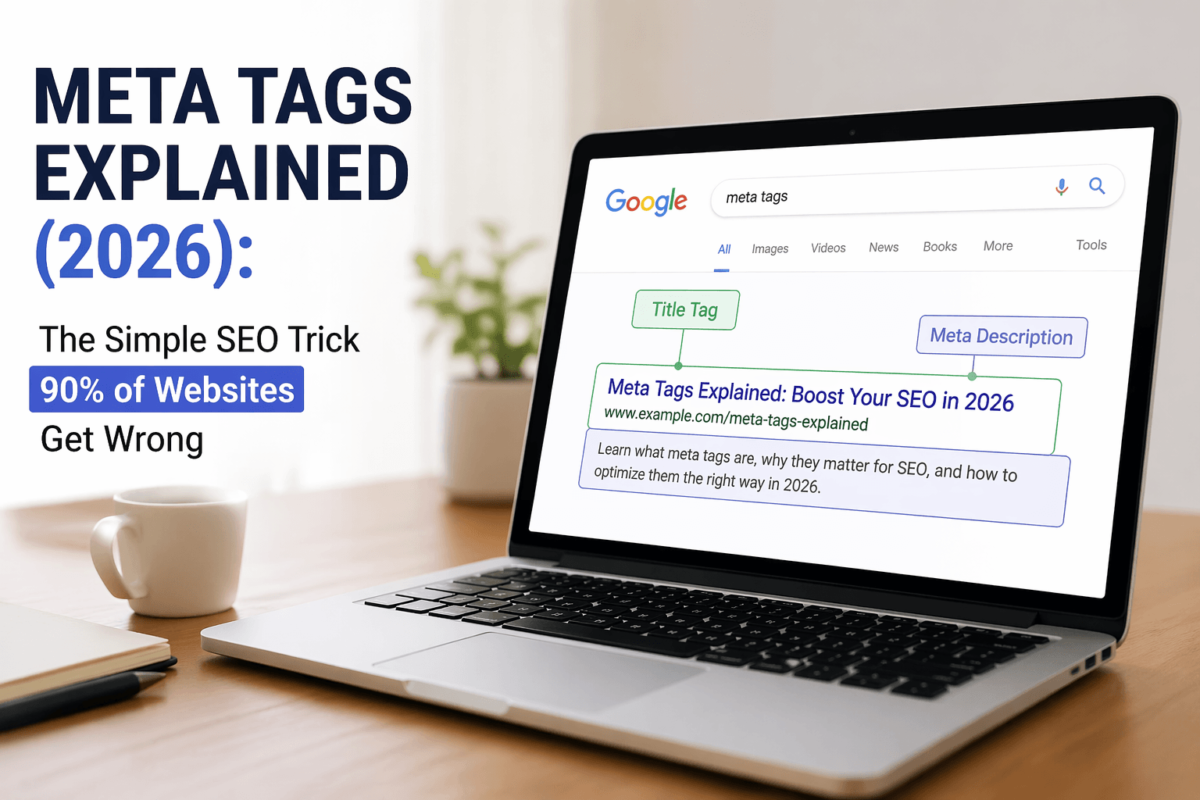
- Title tags should include the keyword + city (e.g., “Car Accident Lawyer in Houston | [Firm Name]”).
- Use H1 and H2 headings that include search terms naturally.
- Internal linking between related service pages passes authority and helps Google understand your site structure.
3. Content SEO
This is the long game — and it is absolutely worth playing.
Content SEO means creating blog posts, guides, and resources that answer the questions your potential clients are Googling. Things like: “What happens if I’m hit by an uninsured driver in Florida?” or “How long does a Chapter 7 bankruptcy stay on your record?”
These informational searches might not convert as immediately as a “hire a lawyer” query, but they build trust, establish your authority, and bring in visitors who are often in the early stages of deciding whether to hire an attorney. That is a powerful place to be.
I have seen this work firsthand. One criminal defense attorney I know started publishing two blog posts a month targeting long-tail questions in his market. Within eighteen months, his organic traffic had grown from around 200 visits a month to over 3,000. More importantly, his contact form submissions from organic search went from a handful a month to 40 or more. That is real, measurable growth.
4. Technical SEO
Technical SEO is the behind-the-scenes stuff that affects how Google crawls, indexes, and ranks your site. Most lawyers never think about this — which is exactly why fixing it gives you an edge.
- Page speed matters enormously. A page that takes more than 3 seconds to load loses a significant chunk of its visitors.
- Mobile-friendliness is non-negotiable. The majority of legal searches happen on mobile devices.
- HTTPS is a ranking factor. If your site still runs on HTTP, that needs to be fixed immediately.
- Schema markup (structured data) helps Google understand your content and can trigger enhanced search result features.
- A clean URL structure and proper XML sitemap ensure every important page gets indexed.
You do not need to be a developer to address most of these. A good SEO audit tool will surface the issues, and a competent web developer or SEO professional can fix them.
Real-Life Examples: Law Firms Winning with SEO
Small Personal Injury Firm Triples Leads from Google Maps
A two-attorney personal injury firm in a mid-sized Midwest city was running about $3,500 a month in Google Ads but struggling to grow. Their organic presence was essentially nonexistent — no Google Business Profile photos, fewer than ten reviews, and no consistency in their NAP (name, address, phone) information across directories.
Here is what they did over six months:
- Completely rebuilt their Google Business Profile — added photos, wrote a proper description with local keywords, filled in every service, and set up Q&A.
- Built citations on 40+ legal and local directories, ensuring consistent NAP across all of them.
- Launched a review generation campaign using a simple post-consultation email sequence asking satisfied clients for a Google review.
- Added two city-specific landing pages targeting nearby suburbs they were already serving.
The Google Business Profile alone drove most of the early gains. It took less than a week to fully optimize and started showing results within 30 days.
Criminal Defense Attorney Dominates with Blog Content
A solo criminal defense attorney in a competitive metro market had a decent website but almost no organic traffic — around 180 visits per month, almost all from branded searches (people who already knew his name).
He started a focused content strategy based on answering specific questions people in his area were searching for. Instead of writing generic posts about “what is a DUI,” he wrote things like:
- “What happens at a DUI arraignment in [State]?”
- “Can I get a DUI expunged in [State] after 5 years?”
- “First-time drug possession charge in [City]: what to expect”
He published two posts per month for fourteen months. No paid promotion, just consistent, well-researched content targeting questions with clear local intent.
He told me the content now “works while I sleep” — which is exactly what a well-executed SEO strategy should do.
How to Do SEO for a Law Firm: Step-by-Step Guide
Alright — let us get practical. Here is a step-by-step framework any law firm can follow. This is not a list of generic tips. This is the actual process.
Fix Your Google Business Profile
Why it matters: The GBP is the single most impactful element of local SEO for lawyers. It controls whether you show up in the Maps 3-pack, and it shows potential clients your reviews, photos, hours, and contact info before they even visit your website.
Here is what a fully optimized GBP looks like:
- Primary category: Attorney (add relevant secondary categories like Personal Injury Attorney, Family Law Attorney, etc.)
- Business name: Your actual firm name — do not keyword-stuff it
- Address and phone: Exactly as they appear on your website and all other directories
- Website URL: Your actual homepage or relevant service page
- Description: 700 characters, written naturally, with your primary practice areas and city mentioned
- Photos: At least 10 — office exterior, interior, headshots, team photos
- Services: Add every practice area with descriptions
- Q&A: Seed your own questions and answers with commonly asked queries
- Posts: Publish at least one Google Post per week to signal activity
Research and Target High-Intent Keywords
Why it matters: Not all keywords are created equal. “What does a personal injury lawyer do” is informational — interesting, maybe useful. “Personal injury lawyer in Phoenix” is transactional. Someone typing that is ready to hire. You want both, but you need to prioritize.
High-intent keywords to target for your service pages typically follow these patterns:
- [Practice Area] + [City/State]
- [Practice Area] + “near me”
- “Best” or “top” + [Practice Area] + [City]
- [Specific legal situation] + lawyer + [City] (e.g., “truck accident lawyer Austin”)
For content, target question-based keywords:
- “How to” + [legal process]
- “What happens if” + [legal situation]
- “How long does” + [legal process] + take
- “How much does a [attorney type] cost”
Build Service Pages That Actually Convert
Why it matters: A generic “Personal Injury” page with 300 words is not going to rank against a competitor with 2,000 words of detailed, location-specific content. Each practice area needs its own dedicated, thorough page.
A high-converting law firm service page should include:
- An H1 that contains the primary keyword naturally.
- A strong opening paragraph that speaks directly to the prospect’s situation (not your firm’s history).
- Clear explanation of how you handle that specific type of case.
- Why someone in your area should choose your firm specifically.
- Social proof — testimonials, case results, years of experience.
- A clear, friction-free call to action (free consultation, direct phone number, contact form).
- FAQs specific to that practice area and your state/city.
- Internal links to related practice areas and relevant blog content.
Aim for at least 1,000 to 1,500 words on your main practice area pages. Top-ranking law firm pages in competitive markets often run 2,000 words or more. Length alone does not win rankings — but depth and specificity do.
Build Local Citations and Directory Listings
Why it matters: Google cross-references your business information across the web to determine how credible and established your firm is. Inconsistent information (different phone numbers, different address formats) erodes that trust.
Start with the high-authority legal directories:
- Avvo
- FindLaw
- Justia
- Martindale-Hubbell
- Super Lawyers
- Lawyers.com
Then hit the general business directories: Google Business Profile, Yelp, Bing Places, Apple Maps Connect, Yellow Pages, and Chamber of Commerce websites for your city.
Generate and Manage Reviews (With a Script Example)
Why it matters: Reviews are a direct local ranking signal. Google wants to see that real clients have had real positive experiences with your firm. Beyond rankings, they are the single biggest trust-builder for someone choosing between two attorneys.
Most attorneys say they want more reviews but struggle to ask. Here is a simple post-consultation email sequence that works:
- Send it within 48 hours of a positive interaction while the experience is fresh.
- Generate a short direct review link from your Google Business Profile dashboard.
- Never offer incentives for reviews — this violates Google’s guidelines and bar ethics rules.
- If you get a negative review, respond professionally and promptly. How you handle criticism matters.
Attorneys with 50 or more Google reviews consistently outperform those with fewer in local search results. Make review generation a systematic part of your client offboarding process.
Fix Technical Issues on Your Website
Why it matters: A beautifully designed website that loads slowly, looks broken on mobile, or has crawl errors is quietly destroying your rankings. Google has been very clear that page experience is a ranking factor.
Run a technical SEO audit. The key things to check:
- Page speed: Use Google PageSpeed Insights. Aim for a score above 75 on mobile.
- Mobile usability: Test every key page on multiple device sizes.
- HTTPS: Every page should be served over a secure connection.
- Crawl errors: Check Google Search Console for pages returning 404s or other errors.
- Broken links: Internal or external links pointing to dead pages hurt credibility.
- Duplicate content: Multiple pages targeting the same keyword confuse Google and split your ranking potential.
- Schema markup: Add LocalBusiness, Attorney, and FAQPage schema to relevant pages.
Create Content That Answers Real Legal Questions
Why it matters: Informational blog content does two things simultaneously: it builds your organic footprint by ranking for question-based searches, and it establishes you as a credible authority in your practice area before someone even picks up the phone.
The best law firm blog content in 2026:
- Answers a specific legal question that people in your state or city are actually searching for.
- Is written in plain English — not legalese. Your readers are stressed people looking for help, not law students.
- Includes a clear call to action to contact your firm if the reader has a similar situation.
- Is at least 1,000 words with proper heading structure, internal links, and a FAQ section.
A simple content calendar for a personal injury firm might look like: one detailed “location + practice area” service page per month, plus two to four blog posts targeting common questions. Within six months, you will have built a content library that compounds in value over time.
Build Backlinks from Reputable Sources
Why it matters: Backlinks — links from other websites to yours — are one of Google’s strongest ranking signals. They function like votes of credibility. A link from a respected legal publication, local news outlet, or bar association carries far more weight than a generic directory listing.
For lawyers, the most realistic and effective link-building strategies include:
- Get listed on your state bar’s attorney directory (most link directly to your website).
- Join your local Chamber of Commerce — they typically list member businesses with a website link.
- Contribute guest posts or expert quotes to local news sites, legal publications, or relevant industry blogs.
- Sponsor local events or charities that have websites and feature their sponsors.
- Create genuinely useful resources (guides, checklists, FAQ pages) that other sites will naturally reference.
- Build relationships with non-competing attorneys who serve different practice areas and exchange referral links.
You do not need hundreds of backlinks to move the needle in most legal markets — especially mid-sized cities. Consistent, quality link acquisition over time is far more effective than any shortcut.
Track Your Rankings and Phone Calls
Why it matters: If you are doing all of this work but not measuring results, you have no idea what is actually working. Most law firms track vanity metrics like website traffic. What you should be tracking is calls, contact form submissions, and where they came from.
The core tracking setup every law firm needs:
- Google Search Console: Shows which keywords you are ranking for and how many people are clicking.
- Google Analytics 4: Shows where your traffic is coming from and which pages drive contact form submissions.
- Call tracking software: Assigns unique phone numbers to different traffic sources so you know whether that call came from organic search, Google Ads, or your GBP listing.
- A rank tracker: Monitors your keyword positions over time so you can see whether your SEO efforts are moving the needle.
Tools I Actually Recommend for Law Firm SEO
I want to be straightforward here — these are tools I have seen deliver real results for law firms, not a random list of software. Use what makes sense for your budget and technical comfort level.
SEO Audit & Rank Tracking
A professional SEO platform gives you visibility into both your rankings and your competitors. If you want to know why a competitor is outranking you, a good audit tool will tell you exactly what they have that you do not.
Dedicated Rank Tracking
A dedicated rank tracker that monitors your positions daily across both desktop and mobile is essential. Keyword positions fluctuate — you need to know about significant drops before they start costing you leads.
Call Tracking
If you are not tracking calls, you are guessing. A call tracking platform lets you assign unique numbers to your website, your GBP listing, and your paid ads so you know exactly what is generating phone calls.
Reputation Management
Automating your review request process is the best thing you can do for your local SEO in 2026. Tools can send automated review requests via text and email after case milestones and monitor your reviews across platforms.
Website Speed & Performance
Google PageSpeed Insights is free and gives you a detailed breakdown of exactly what is slowing your site down. If your site is struggling to load in under three seconds, upgrading to a managed WordPress host is often the fastest technical win.
The Biggest Law Firm SEO Mistakes I Keep Seeing
Most lawyers get this wrong — not because they are not smart, but because no one told them the right way to approach it. Here are the mistakes that consistently hold law firms back:
Advanced Law Firm SEO Strategies for 2026
Once you have the fundamentals dialed in, these advanced strategies can help you pull further ahead of competitors.
Optimize for AI Overviews & Featured Snippets
Google’s AI Overviews now appear at the top of results for a growing number of legal queries. Use clear definitions, FAQ sections, numbered lists for process-based content, and short answer blocks at the top of relevant pages. Think: if a journalist needed a quotable answer in two sentences, what would you say?
Build a Hub & Spoke Content Structure
Instead of isolated blog posts, build interconnected content clusters. A “hub” page covers a broad practice area comprehensively. “Spoke” pages cover specific sub-topics in depth. Internal links connect all the spokes back to the hub, signaling topical authority to Google and helping the entire cluster rank better.
Leverage Video Content
A short two-to-three-minute video where you explain a common legal question, embedded on your service or blog pages and uploaded to YouTube with a keyword-optimized title, can generate an additional ranking entry for the same keyword. It also dramatically increases time on page — a behavioral signal Google pays attention to.
Implement Structured Data (Schema Markup)
Schema markup is code you add to your website to tell Google exactly what kind of content is on each page. For law firms, the most valuable schema types are: LocalBusiness / Attorney schema, FAQPage schema, Review schema to display star ratings, and BreadcrumbList schema. Sites with properly implemented schema often see higher click-through rates even when they rank in the same position as competitors.
Frequently Asked Questions About Law Firm SEO
Realistically, you will start seeing meaningful movement in local rankings within 3 to 4 months if you are consistently working on your GBP, citations, and on-page SEO. Organic search rankings for competitive keywords typically take 4 to 8 months to show significant improvement. The full compound benefit of a sustained content strategy often takes 12 to 18 months to fully materialize — but the results are more durable and more cost-effective than any paid alternative.
Absolutely — and honestly, smaller firms often have a better ROI on SEO than large ones. Why? Because you can target specific practice areas and local markets where the competition is manageable. A solo criminal defense attorney in a mid-sized city can dominate local search for their specific keywords far more easily than trying to compete nationally. The economics are even better: a single new client in a personal injury, criminal defense, or family law case can be worth several thousand dollars or more, meaning even modest improvements in organic lead volume produce significant revenue impact.
There is no single silver bullet, but if I had to pick the highest-leverage factors for local SEO specifically: your Google Business Profile completeness, your review quantity and recency, and the consistency of your NAP (name, address, phone) information across directories. Get those three things right and you will outperform the majority of competitors who are neglecting them.
That depends on your time, technical comfort level, and budget. The honest answer is that the fundamentals — GBP optimization, citation building, review generation, and basic on-page SEO — are things a motivated attorney or office manager can do themselves with the right guidance. More technical work (site architecture, schema markup, advanced content strategy) is often better delegated to a specialist. If you do hire an agency, make sure they have actual law firm SEO experience and can show you specific results they have achieved for other attorneys — not just generic case studies.
For a solo practitioner or small firm doing DIY SEO with professional tools, budget around $300 to $600 per month for software. If you hire a specialist or agency, quality law firm SEO services typically start around $1,500 per month for local SEO and range up to $5,000 or more per month for competitive markets or multi-location firms. At any of those investment levels, the ROI from a single additional client per month often justifies the spend entirely.
If you genuinely serve clients in multiple cities, then yes — location-specific pages improve your chances of ranking in those local markets. However, they need to be substantively different from each other, with locally relevant information, not just the same content with the city name swapped out. Thin, duplicate location pages can actually hurt your overall site quality. Make each one genuinely useful to someone in that specific location.
Start with your primary practice area plus your city (e.g., “family law attorney Denver”). Then layer in more specific keyword variations: the specific type of case (“child custody lawyer Denver”), near-me variants, and question-based keywords for blog content. Prioritize keywords based on a combination of search volume, commercial intent, and how realistic it is to rank given your current domain authority. Tools that show you keyword difficulty alongside search volume are invaluable for this prioritization exercise.
Attorney SEO Marketing: Building a System, Not a Campaign
Here is where a lot of attorney SEO marketing efforts go wrong: they treat SEO as a one-time project rather than an ongoing system. They hire someone to “do SEO” for three months, see some improvement, stop, and then wonder why their rankings eventually erode.
Effective lawyer SEO marketing works more like a flywheel. Each element reinforces the others:
It builds on itself — but only if you stay consistent. The attorneys I have seen win with SEO are not the ones who made the biggest one-time investment. They are the ones who committed to the process, measured results honestly, and kept going.
One more thing: attorney SEO marketing in 2026 is not just about Google anymore. Your content showing up in ChatGPT answers, Google AI Overviews, and voice search results is increasingly important. The way you future-proof this is by following the same principle that has always worked — be genuinely helpful, be genuinely specific, and be consistently present in the places your potential clients are looking.
Final Thoughts
Law firm SEO is not complicated. It is not magic. And you do not need a massive budget or a team of ten marketers to make it work.
What you need is a clear system, consistent execution, and the patience to let compounding work in your favor.
Start with what matters most: optimize your Google Business Profile, build out your citations, get your service pages in shape, and start collecting reviews systematically. These four things alone, done well, will put you ahead of the majority of law firms in your market.
Then build on that foundation. Add content. Earn links. Fix technical issues. Track everything.
The attorneys who are winning in search right now did not get there overnight. But most of them started with exactly the same fundamentals you now have in front of you.
The best time to start was six months ago. The second best time is today.
If there is one thing to take away from this guide: local SEO for lawyers is the highest-ROI marketing activity most firms are not doing properly. Fix your Google Business Profile this week. Everything else can follow.
Want to Dive Deeper?
Explore more SEO guides, strategies, and tool reviews on TechCognate.